Bilingual Albanian and German wedding invitations, wherever your guests call home.
Write your invitation once and add German and Albanian. Every guest opens it in your first language and switches with the globe, and each language writes the date its own way. The schedule, the dress code and your questions can be written by you in each language, so friends in Germany or Switzerland know what Nata e Kënës is, and relatives read Albanian that sounds like home.
Both languages come with Essential, €175 once. Design and preview free.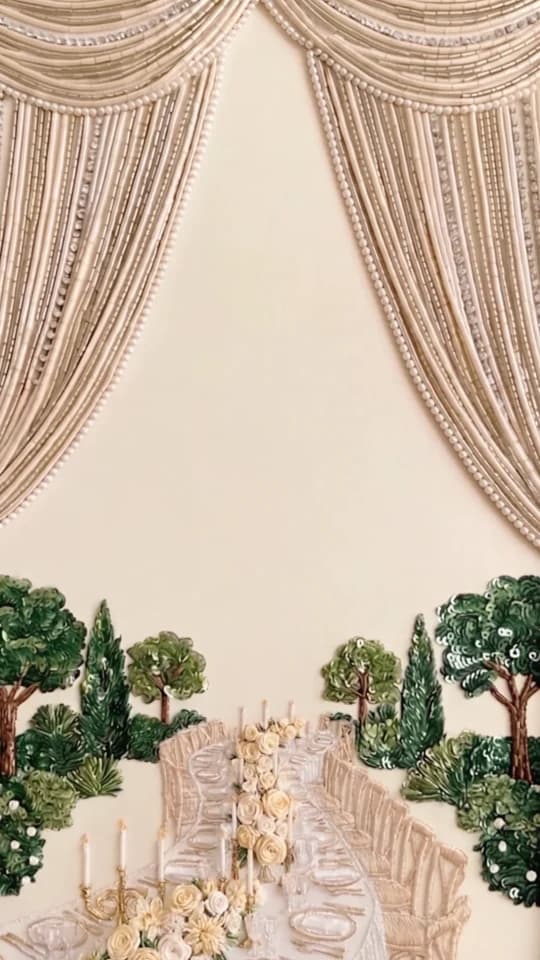
German and Albanian wedding wording, side by side
Three ways to word the invitation, then the RSVP and dress-code lines, each written the way it is said in German and in Albanian rather than translated word for word. Copy what fits, change the names, and send both languages together with the link, by WhatsApp or on a card with a QR code.
The invitation wording
On the invitation itself, the design lays out your names, the date and the venue with a ready-made line in each language. These fuller wordings belong in the message that carries the link, or on a printed card, where both languages sit together as they would on paper.
- Formal, from both familiesDeutsch
Wir freuen uns, die Hochzeit unserer Kinder Blerta und Arben bekannt zu geben, und laden Sie herzlich ein, diesen Tag mit uns zu feiern. Familie Gashi und Familie Morina
ShqipFamiljet Gashi dhe Morina kanë nderin dhe kënaqësinë t’ju ftojnë në dasmën e fëmijëve të tyre, Blertës dhe Arbenit. Prania juaj do ta bëjë gëzimin tonë të plotë.
- Warm, from the two of youDeutsch
Wir heiraten! Blerta & Arben Wir würden uns riesig freuen, wenn ihr dabei seid.
ShqipPo martohemi! Blerta & Arben Do të gëzoheshim shumë t’ju kishim pranë.
- Standesamt, then the partyDeutsch
Am Freitag, 11. Juni, geben sich Blerta und Arben im Standesamt Stuttgart das Jawort. Gefeiert wird am Samstag, 12. Juni, ab 18 Uhr mit Sektempfang, Livemusik und albanischen Tänzen. Es laden ein: Familie Gashi und Familie Morina
ShqipTë premten, më 11 qershor, Blerta dhe Arbeni lidhin kurorë në zyrën e gjendjes civile në Shtutgart. Dasma bëhet të shtunën, më 12 qershor, nga ora 18:00, me koktej mirëseardhjeje, muzikë të gjallë dhe valle. Ju ftojnë me nder familjet Gashi dhe Morina.
The RSVP line
The reply form and its “Please RSVP by” date are ready-made in German and Albanian on the invitation. Add one of these lines to your message so guests know when, and where, to answer.
- With a reply-by dateDeutsch
Wir bitten um Rückmeldung bis zum 1. Mai.
ShqipJu lutemi të na konfirmoni pjesëmarrjen deri më 1 maj.
- Pointing to the RSVP buttonDeutsch
Sagt uns einfach über den Button in der Einladung Bescheid, ob ihr kommt.
ShqipNa tregoni nëse do të vini: mjafton një prekje te butoni për konfirmim në ftesë.
The dress code
In the studio the dress code has two tabs: the first for the language your invitation opens in, the other named for the second language. Paste one line into each, and every guest reads the version for the language they chose.
- Festive and elegantDeutsch
Dresscode: festlich elegant.
ShqipKodi i veshjes: elegante dhe festive.
- Comfortable shoes for dancingDeutsch
Denkt an bequeme Schuhe: Es wird viel getanzt!
ShqipMos harroni këpucë të rehatshme: do të hidhet shumë valle!
Before you copy
- Choose Sie or du, and keep to it. German invitations say Sie to be formal and du, or ihr to everyone, to be warm; Albanian makes the same choice between ju and ti. Pick a register for each language that matches the other, and keep it from the first line to the last.
- Say who is invited to what. In Germany and Switzerland the legal wedding takes place at the Standesamt, often with few guests, while Nata e Kënës and the main celebration can be far larger. Write the schedule yourself in each language’s tab, and say plainly which evening is which and who is invited to each.
- Keep ë, ç, umlauts and ß. Names are never translated, so Arbër and Dritë keep their ë in German too, and a German surname keeps its ä, ö, ü or ß. Type them once correctly. In Switzerland, where German writes ss for ß, keep your own German text in the Swiss spelling.
How guests switch between German and Albanian
- 1
Add both languages
In the studio, open Languages and add German and Albanian. The first on the list is what every guest sees on opening, and the language your text is translated from.
- 2
Write once, then rewrite
Write in your first language, and each save translates it into the other. Then use the tab named for your second language to write your own schedule, questions, dress code, gift note and area-map note.
- 3
Guests tap the globe
The globe on the invitation lists Deutsch and Shqip. One tap switches everything: section titles, the date, the RSVP form and your own text.
- 4
Each language dates its own way
In German the date reads 15. Mai 2027 and in Albanian 15 maj 2027, with no work from you. The choice stays in the page address (?lang=sq or ?lang=de), so a refresh keeps it.
What is translated, and what you write
Part of a bilingual invitation comes ready in both languages, part is translated from your own words, and some things are never translated at all.
Ready-made in both languages
- Section titles, buttons and the countdown
- The “We’re getting married” line
- The RSVP form, and the “Please RSVP by” line with its date
- The wedding date, written the way each language writes dates
Translated from your words when you save
- The schedule, and your questions and answers
- The dress code and the gift note
- The note under the area map
- Event names and the questions you add to the RSVP form
- Any heading or line you rewrite
Never translated
- Your names and your parents’ names
- Venue names, addresses and map links
- Times, web addresses and email addresses
- Bank details for a gift fund
The schedule, questions and answers, dress code, gift note and area-map note each have a tab per language in the studio: write your own version there, or leave it blank to keep the automatic one. More on how it all works in multilingual wedding invitations.
Which plan you need for two languages
A second language is part of Essential. One payment, no subscription.
- Starter€49
One language: the first on your list. Guests see no language switch.
- Essential€175
Both languages, and up to 20 in all, the globe switch for guests, personal guest links, RSVP tracking and the seating chart.
- Premium€395
Everything in Essential, made for you by our team: every section in every language, with a painting of your venue, your monogram and the whole suite in one design.
While you design, you can add both languages and preview each of them; the plan is chosen when you publish. Full details on pricing.
Try it on Pearl Garden
Pearl Garden parts pearl curtains above a garden banquet, in ivory relief, for a quiet and romantic invitation. Every design carries the language switch, so open it, start your invitation from it, and preview it in German and Albanian before you choose a plan.
More for bilingual couples
The same invitation works for any two languages, or three or four.
Questions, answered
Can guests switch between German and Albanian on one invitation?
Yes, on Essential and Premium. Add German and Albanian in the studio; every guest opens the invitation in the first language on your list and switches with the globe. Section titles, the date, the RSVP form and your own text all change with it.
Should German or Albanian come first?
Put first the language most of your guests read, ideally the one you write best, because every link opens in it and your text is translated from it. With most guests in Germany, Austria or Switzerland that is often German; for a wedding in Kosovo, Albania or North Macedonia, often Albanian. You can change the order at any time.
Is the second language machine-translated?
Section titles, buttons, the date and the RSVP form come ready-made in German and in Albanian. Your own text is machine-translated from your first language when you save: it carries the facts, but it may choose Sie or du differently from you and miss your family’s way of saying things. Read the preview with a native speaker and rewrite the schedule, dress code and questions in the second language’s tab where it matters.
Can we add English as well, for friends from elsewhere?
Yes. Essential takes up to 20 languages on one invitation, so German, Albanian and English can sit side by side and guests choose with the same globe. Each language you add has its own tab for the schedule, questions, dress code, gift note and area-map note.
Will our names keep ë, ç, umlauts and ß?
Yes. Names are never translated or changed: they appear exactly as you type them, special letters included, in both languages.
Which plan do we need for a German and Albanian invitation?
Essential (€175, once) or Premium (€395, once). Starter (€49) publishes the invitation in one language only, without the switch. You can add both languages and preview them while you design, and choose the plan when you publish.