Bilingual French and English wedding invitations, in the language each guest chooses.
Write your invitation once and add French and English. Every guest opens it in your first language and switches with the globe, and the date comes out the French way on its own. The schedule, the dress code and your questions can be written by you in each language, so the French sounds like you, whether you say tu or vous.
Both languages come with Essential, €175 once. Design and preview free.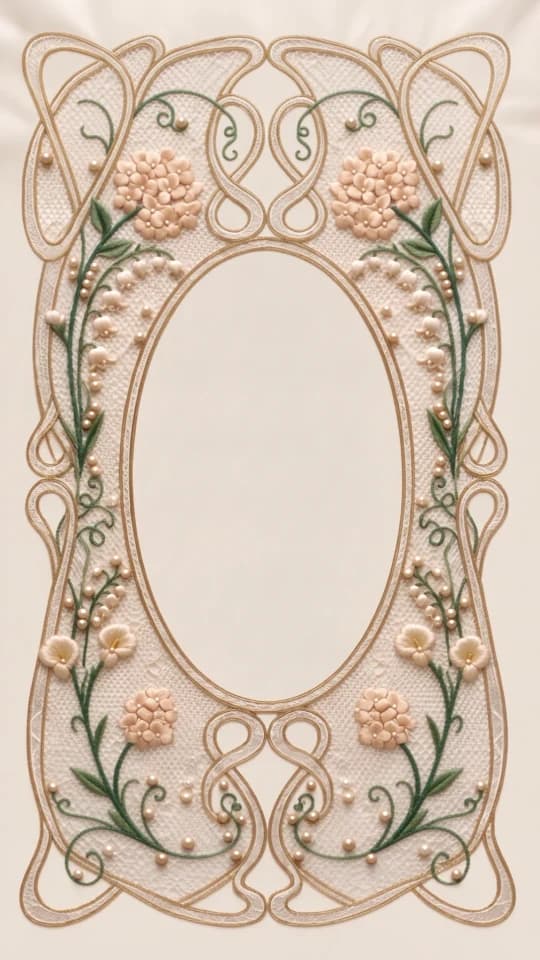
French and English wedding wording, side by side
Three ways to word the invitation, then the RSVP and dress-code lines, each written the way it is said in French and in English rather than translated word for word. Copy what fits, change the names, and send both languages together with the link, by WhatsApp or on a card with a QR code.
The invitation wording
On the invitation itself, the design lays out your names, the date and the venue with a ready-made line in each language. These fuller wordings belong in the message that carries the link, or on a printed card, where both languages sit together as they would on paper.
- Formal, with your familiesEnglish
Together with their families, Camille Martin and Thomas Reid request the pleasure of your company at their wedding.
FrançaisAvec leurs familles, Camille Martin et Thomas Reid ont le plaisir de vous convier à leur mariage.
- Warm and shortEnglish
We’re getting married! Camille & Thomas We would love you to be there.
FrançaisOn se marie ! Camille & Thomas Et on aimerait beaucoup que tu sois là.
- Town hall and vin d’honneurEnglish
Camille and Thomas will marry on Saturday 12 June at 3 pm at Annecy town hall. Drinks will follow, then dinner.
FrançaisCamille et Thomas se marieront le samedi 12 juin à 15 h à la mairie d’Annecy. Un vin d’honneur suivra, puis le dîner.
The RSVP line
The reply form and its “Please RSVP by” date are ready-made in French and English on the invitation. Add one of these lines to your message so guests know when to answer.
- Formal, with a dateEnglish
Kindly reply by 1 May.
FrançaisMerci de répondre avant le 1er mai.
- Friendly, with tuEnglish
Tell us if you can come: it all happens on the invitation.
FrançaisDis-nous vite si tu viens : tout se fait depuis le faire-part.
The dress code
In the studio the dress code has two tabs: the first for the language your invitation opens in, the other named for the second language. Paste one line into each, and every guest reads the version for the language they chose.
- Black tieEnglish
Dress code: black tie.
FrançaisTenue de soirée de rigueur.
- Smart casual in a gardenEnglish
Smart casual, and flat shoes for the garden.
FrançaisTenue chic et décontractée, et des chaussures plates pour le jardin.
Before you copy
- Choose tu or vous, and keep to it. Formal French wording says vous; a warm note between friends often says tu, a difference English cannot show. Pick one for the message and the invitation, and keep it from the first line to the last.
- Explain the vin d’honneur. In France the drinks after the ceremony are often open to more guests than the dinner, and English has no word for it. Say plainly who is invited to what, in the schedule tab of each language.
- Write times both languages read. Times are never translated, so “3 pm” stays “3 pm” in French; in the schedule, 15:00 reads naturally to both. In your own French text, keep the narrow space before ! ? : and ;, and write 1er for the first of the month.
How guests switch between French and English
- 1
Add both languages
In the studio, open Languages and add French and English. The first on the list is what every guest sees on opening, and the language your text is translated from.
- 2
Write once, then rewrite
Write in your first language, and each save translates it into the other. Then use the tab named for your second language to write your own schedule, questions, dress code, gift note and area-map note.
- 3
Guests tap the globe
The globe on the invitation lists Français and English. One tap switches everything: section titles, the date, the RSVP form and your own text.
- 4
Dates the French way
In French the date is written as French writes it, day first and the month in lower case, with no work from you. The choice stays in the page address (?lang=fr), so a refresh keeps it.
What is translated, and what you write
Part of a bilingual invitation comes ready in both languages, part is translated from your own words, and some things are never translated at all.
Ready-made in both languages
- Section titles, buttons and the countdown
- The “We’re getting married” line
- The RSVP form, and the “Please RSVP by” line with its date
- The wedding date, written the way each language writes dates
Translated from your words when you save
- The schedule, and your questions and answers
- The dress code and the gift note
- The note under the area map
- Event names and the questions you add to the RSVP form
- Any heading or line you rewrite
Never translated
- Your names and your parents’ names
- Venue names, addresses and map links
- Times, web addresses and email addresses
- Bank details for a gift fund
The schedule, questions and answers, dress code, gift note and area-map note each have a tab per language in the studio: write your own version there, or leave it blank to keep the automatic one. More on how it all works in multilingual wedding invitations.
Which plan you need for two languages
A second language is part of Essential. One payment, no subscription.
- Starter€49
One language: the first on your list. Guests see no language switch.
- Essential€175
Both languages, and up to 20 in all, the globe switch for guests, personal guest links, RSVP tracking and the seating chart.
- Premium€395
Everything in Essential, made for you by our team: every section in every language, with a painting of your venue, your monogram and the whole suite in one design.
While you design, you can add both languages and preview each of them; the plan is chosen when you publish. Full details on pricing.
Try it on Fleur Atelier
Fleur Atelier opens with an embroidered bow onto a floral oval, in sage and antique gold. Every design carries the language switch, so open it, start your invitation from it, and preview it in French and English before you choose a plan.
More for bilingual couples
The same invitation works for any two languages, or three or four.
Questions, answered
Can guests switch between French and English on one invitation?
Yes, on Essential and Premium. Add French and English in the studio; every guest opens the invitation in the first language on your list and switches with the globe. Section titles, the date, the RSVP form and your own text all change with it.
Should French or English come first?
Put first the language most of your guests read, ideally the one you write best, because every link opens in it and your text is translated from it. In France or Quebec that is often French; with most guests in the UK or the US, often English. You can change the order at any time.
Is the French machine-translated?
Section titles, buttons, the date and the RSVP form come ready-made in French. Your own text is machine-translated when you save: it carries the facts, but it may choose tu or vous differently from you. Read the French in the preview and rewrite the schedule, dress code and questions in the French tab where it matters.
Can we explain the vin d’honneur and the dinner separately?
Yes. Write the schedule yourself in each language’s tab, so the French can say vin d’honneur and the English can explain that drinks are open to everyone and dinner follows for the guests invited to it. Event names on the RSVP form are only machine-translated, so keep those short.
Will times and dates read correctly in both languages?
The invitation writes the date in each language’s own way. Times are never translated: they show exactly as you type them, so write 15:00 rather than 3 pm if both languages should read them naturally.
Which plan do we need for a French and English invitation?
Essential (€175, once) or Premium (€395, once). Starter (€49) publishes the invitation in one language only, without the switch. You can add both languages and preview them while you design, and choose the plan when you publish.